
Texas Squamous CellCarcinoma Specialists
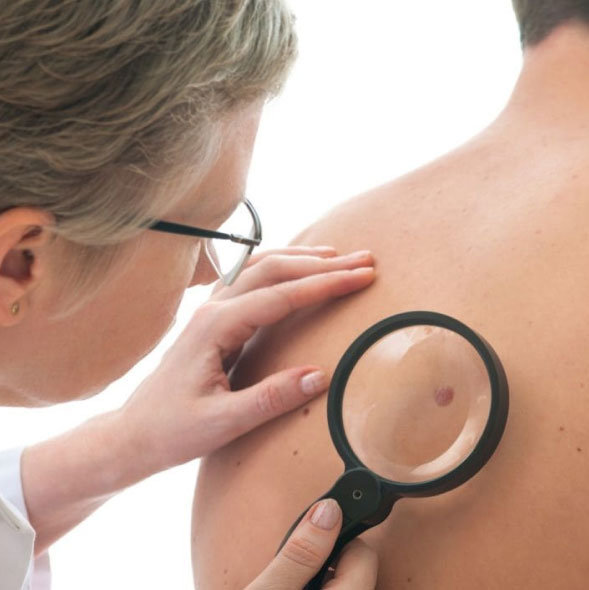
Team Dermatology is home to the top Texas squamous cell carcinoma specialists.
Best Squamous Cell Carcinoma Specialists in Texas
Squamous cell carcinoma is a type of skin cancer that begins in the squamous cells, which are the flat, thin cells that make up the outer layer of the skin. Squamous cell carcinoma can occur anywhere on the body, but is most commonly found on areas of the skin that have been exposed to the sun, such as the face, ears, neck, and back.
Team Dermatology’s team of specialists are experts in diagnosing and treating squamous cell carcinoma. We offer a variety of treatment options depending on the stage and severity of your cancer. Our goal is to provide you with the best possible care so that you can experience a full and healthy life.
Types of Squamous Cell Carcinoma
There are different types of squamous cell carcinoma, such as:
- Adenoid/pseudoglandular squamous cell carcinoma. This type of squamous cell carcinoma is most commonly found on the nose and lips.
Adenoid/pseudoglandular squamous cell carcinoma.
- Intraepidermal squamous cell carcinoma. This type of squamous cell carcinoma is found in the upper layers of the skin.
Intraepidermal squamous cell carcinoma.
- Large cell keratinizing squamous cell carcinoma. This type of squamous carcinoma can occur anywhere on the body.
Large cell keratinizing squamous cell carcinoma.
- Large cell non-keratinizing squamous cell carcinom. Unlike kerainizing squamous cell carcinoma, large cell non-keratinizing squamous cell carcinom does not form keratin.
Large cell non-keratinizing squamous cell carcinom.
- Lymphoepithelial carcinoma. Lymphoepithelial carcinoma is a rare type of squamous carcinoma that occurs in the lymph nodes.
Lymphoepithelial carcinoma.
- Papillary squamous cell carcinoma. This type of squamous carcinoma is most commonly found on the tongue.
Papillary squamous cell carcinoma.
- Papillary thyroid carcinoma. As the name suggests, papillary thyroid carcinoma begins in the thyroid gland.
Papillary thyroid carcinoma.
- Small cell keratinizing squamous cell carcinoma. This is similar to the large cell keratinizing squamous carcinoma, but is found in the lower layers of the skin. It is also smaller in size.
Small cell keratinizing squamous cell carcinoma.
- Spindle cell squamous cell carcinoma. Spindle cell squamous is a rare type of squamous carcinoma that looks like spindles, or long, thin cells.
Spindle cell squamous cell carcinoma.
- Verrucous squamous cell carcinoma. This type of squamous carcinoma is most commonly found on the feet and hands.
Verrucous squamous cell carcinoma.
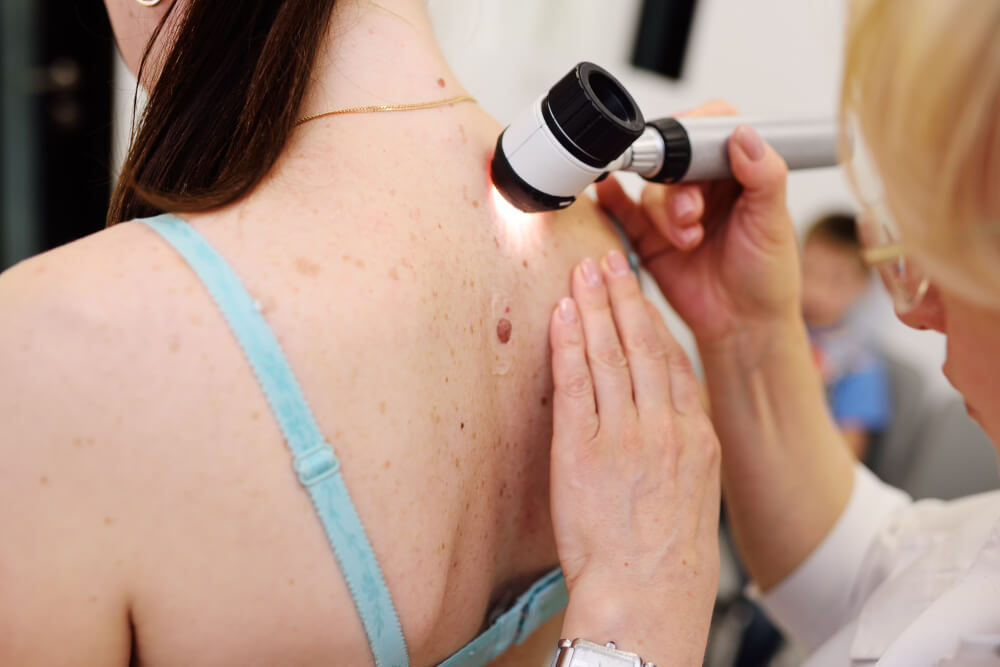
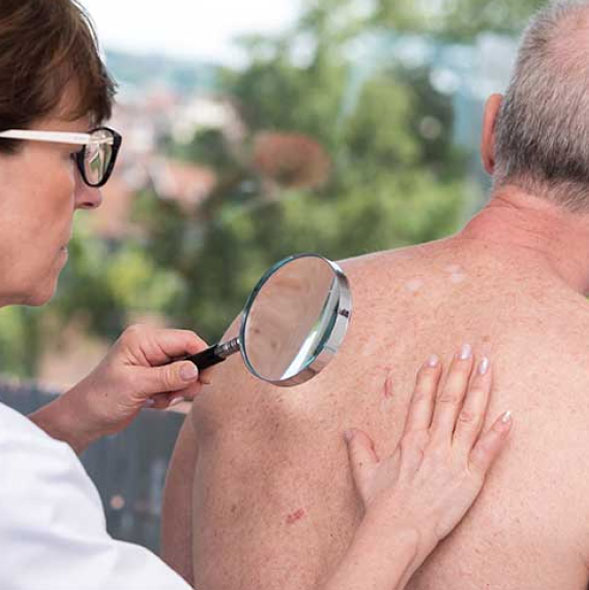
Squamous Cell Carcinoma Causes
There are different factors that can increase your risk of developing squamous carcinoma, such as:
- Exposure to UV radiation from the sun or tanning beds
- Having a history of skin cancer
- Fair skin that burns easily
- A family history of skin cancer
- Certain types of HPV infection
- Weakened immune system

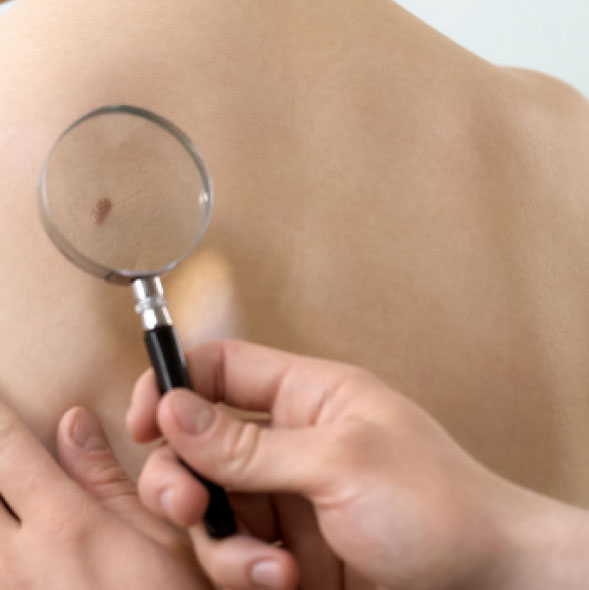
Squamous Cell Carcinoma Symptoms
Squamous carcinoma symptoms can vary depending on the type and location of the cancer.
However, common signs and symptoms include:
- A growth or lump on the skin that is pink, red, white, or tan in color
- A scaly patch on the skin that is red, white, or tan in color
- A sore on the skin that does not heal
A growth on the mucous membranes, such as the lips or mouth
Squamous Cell Carcinoma Diagnosis
The diagnosis of squamous carcinoma looks like:
- Your dermatologist will examine your skin and perform a biopsy, which is a procedure where a small sample of tissue is removed for testing.
The sample will be sent to a laboratory where it will be examined under a microscope to determine if it contains cancer cells. If cancer cells are present, your dermatologist will stage your cancer to determine the severity.


Squamous Cell Carcinoma Risk Factors
Once you have been diagnosed with squamous cell carcinoma, there are certain factors that can increase your risk of the cancer coming back or spreading to other parts of your body.
These risk factors include:
- Tumor growths
- Risk to cancer cells

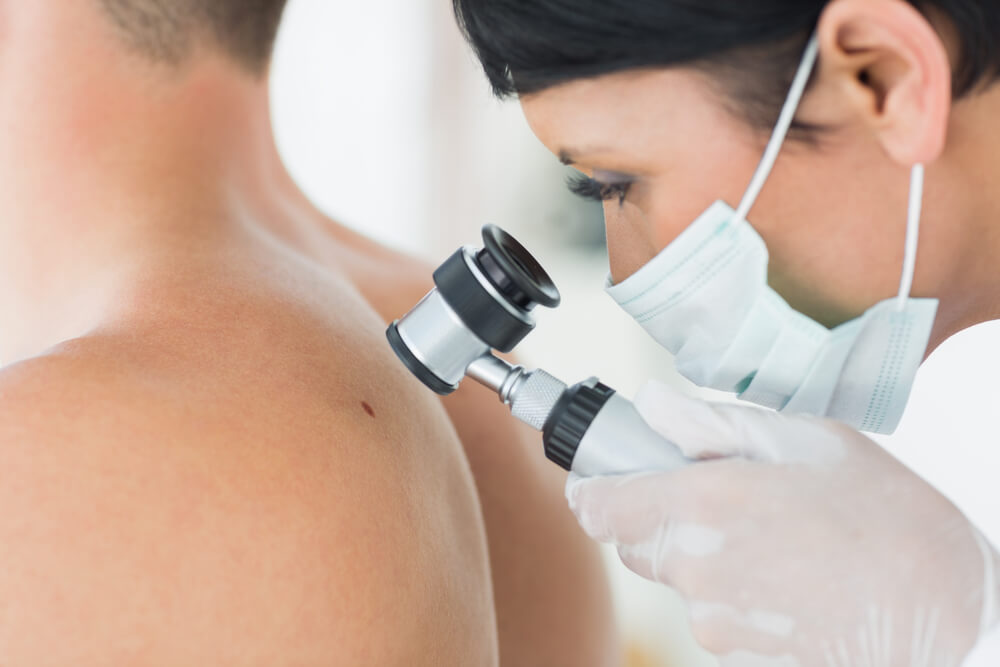
Our Squamous cell carcinoma treatment
- Medical dermatology
- Skin cancer treatment
- Laser surgery
- Cosmetic dermatology
Squamous Cell Carcinoma Prevention
There are certain measures you can take to lower your risk of developing squamous cell carcinoma, such as:
- Avoiding exposure to UV radiation from the sun or tanning beds
- Wearing sunscreen with an SPF of 30 or higher
- Wearing protective clothing, such as a hat and long-sleeved shirt, when outdoors
- Avoiding direct sunlight during peak hours (10am-4pm)
- Seeing a dermatologist regularly for skin check-ups

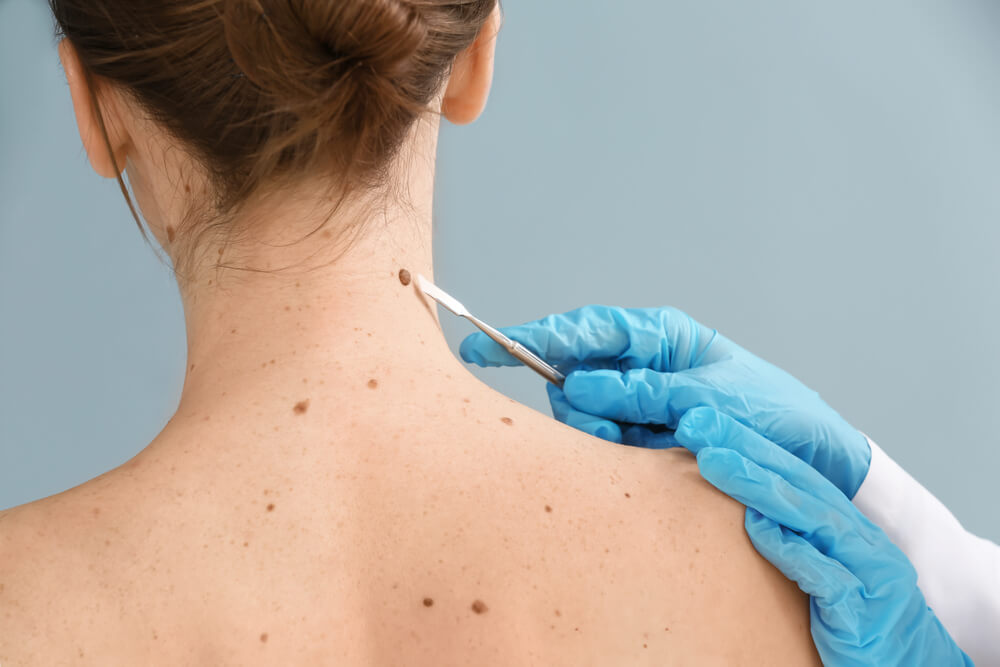
Squamous cell carcinoma treatment cost
The cost of your care depends on your insurance benefits, including your deductible, copay and coinsurance, and on the complexity of your visit and the treatment you need. Some treatments, such as cosmetic procedures, may not be covered by insurance. Call us at (832) 572-5533 and our team will help you check your coverage before your visit.
Why choose Team Dermatology for your squamous cell carcinoma Treatment?
Here are some benefits you can get when you call us for dermatology services:
We are experienced, skilled, and licensed.
With our head dermatologist Dr. Asra Ali, you are in good hands. They are both experts in the field of dermatology with many years of experience.
We offer a wide range of services.
We use state-of-the-art equipment.
We customize treatment plans.
We have convenient locations.





Frequently Asked Questions
What is squamous cell carcinoma?
Squamous cell carcinoma (SCC) is a type of skin cancer that develops in the squamous cells, which are the thin, flat cells that make up the outer layer of the skin. SCC usually appears as a scaly patch on the skin that is red, white, or tan in color.
It can also appear as a sore that does not heal or a growth on the mucous membranes, such as the lips or mouth. If you experience any of these symptoms, it’s important to see a dermatologist so that they can properly diagnose and treat your cancer.
How can I recognize squamous cell carcinoma?
The best way to recognize squamous cell carcinoma is to see a dermatologist for a skin check-up. They will be able to properly diagnose your condition and recommend the best course of treatment.
How fast does squamous cell carcinoma spread?
Squamous cell carcinoma can spread quickly if it’s left untreated. It can metastasize, or spread, to other parts of the body within months or even weeks. This is why it’s important to see a dermatologist as soon as you notice any changes in your skin.
What does squamous cell carcinoma look like?
Squamous cell carcinoma can appear as a scaly patch on the skin that is red, white, or tan in color. It can also appear as a sore that does not heal or a growth on the mucous membranes, such as the lips or mouth.
Get in touch
Request an appointment
Send us a few details and our team will call you back to schedule. If you would rather speak to someone now, call (832) 572-5533.
- Memorial 9225 Katy Fwy, Suite 404, Houston, TX 77024 Monday – Friday, 8:00 am – 4:00 pm Book online
- Sugar Land – Hwy 6 1435 Hwy 6, Suite 250, Sugar Land, TX 77478 Monday – Thursday, 8:00 am – 4:00 pm Book online
- Sugar Land – Grand Parkway 17510 W Grand Pkwy S, Suite 420, Sugar Land, TX 77479 Monday & Wednesday, 8:00 am – 4:30 pmTuesday & Thursday, 7:30 am – 4:30 pmFriday, 8:00 am – 4:00 pm4th Saturday, 8:00 am – 12:00 pm Book online
- Katy 23050 Westheimer Pkwy, Katy, TX 77494 Friday, 7:30 am – 1:30 pm Book online
- Conroe 1501 River Pointe Dr, Suite 150, Conroe, TX 77304 Friday, 7:30 am – 3:30 pm Book online
If the appointment request form does not load, please call (832) 572-5533 and our team will book you in.