
Mole Specialist in Houston, TX

Team Dermatology has gained a reputation for providing excellent care and treatment for all kinds of skin conditions over the years. Whether you are dealing with acne, eczema, or any other issue, you can rely on Team Dermatology.
So if you are looking for the best mole specialist in Texas, be sure to check out Team Dermatology. They have five convenient clinics in the Houston area.
What Are Moles
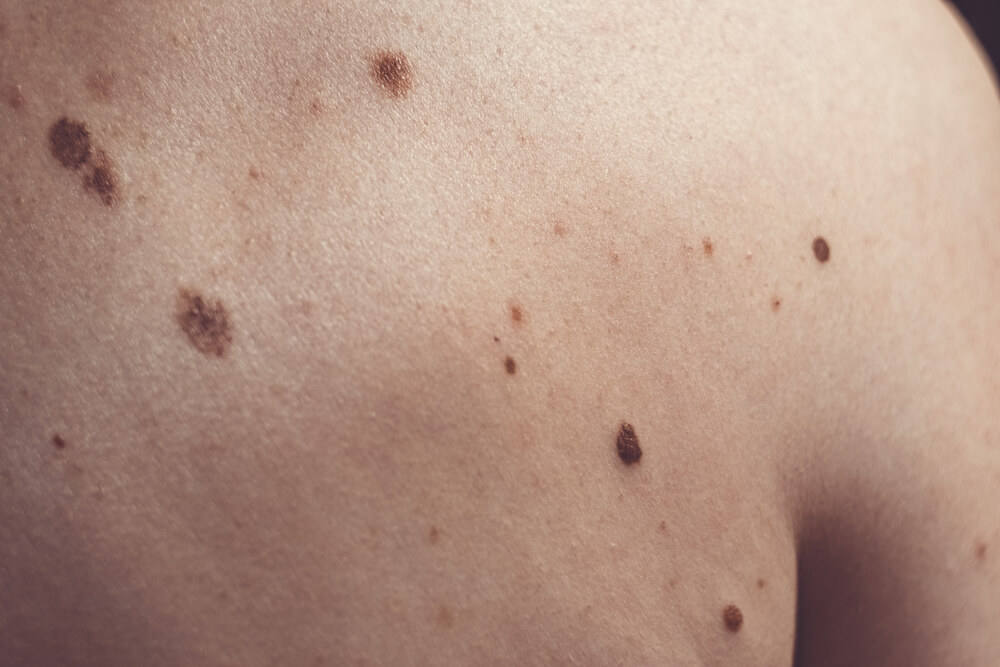
Moles are dark, flesh-colored growths that occur when pigment forming cells are produced in a cluster. While most are benign, moles that become raised or change color over time can be early indicators of a dangerous form of skin cancer called melanoma.
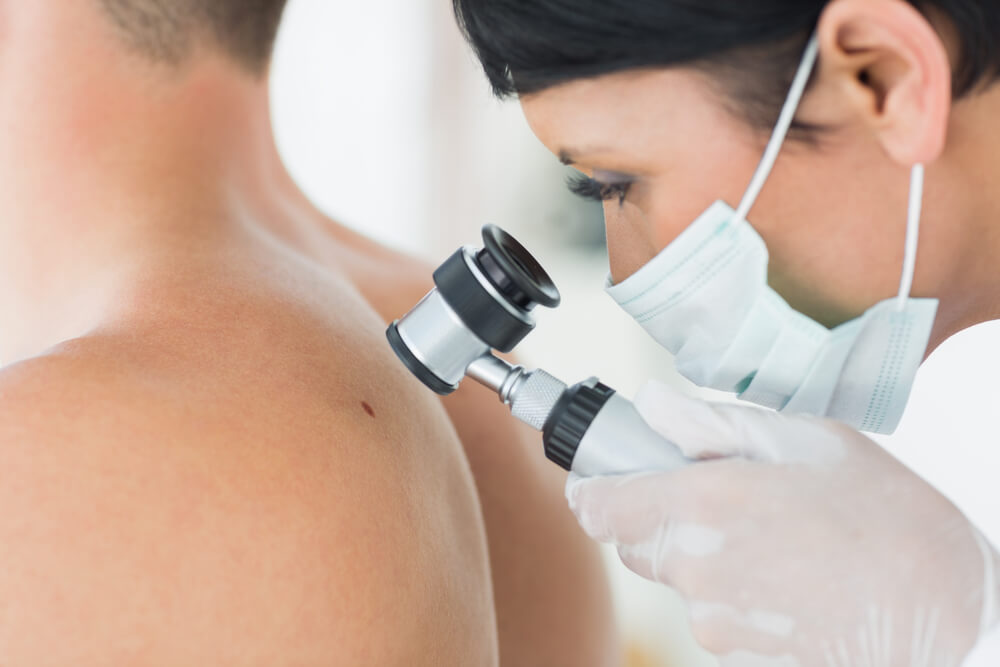
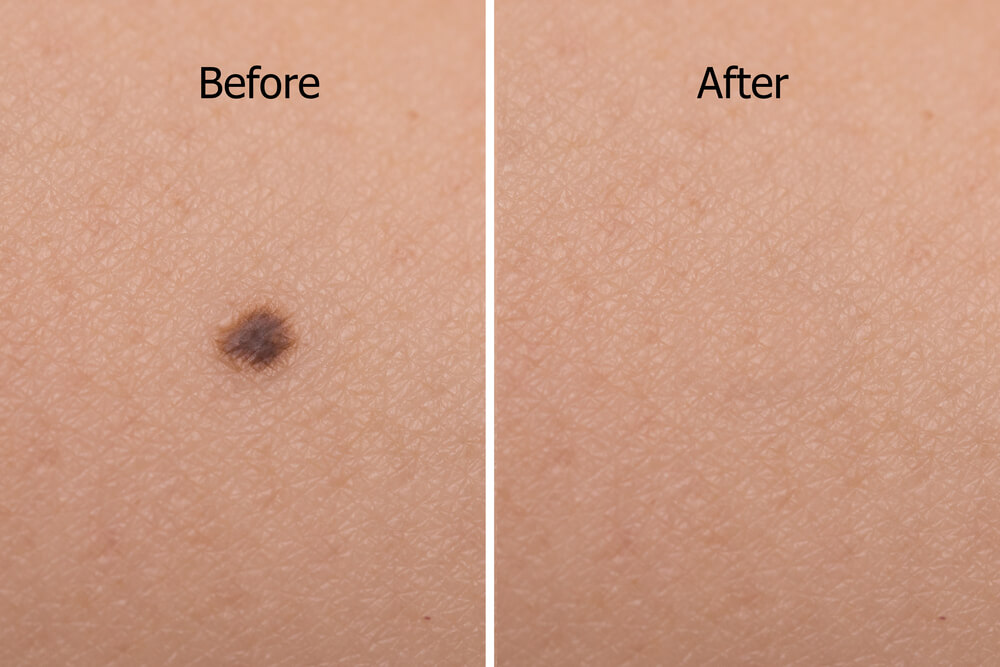
Our dermatologists can remove unwanted moles throughout your body as well as monitor the appearance of existing moles to detect cancer in its earliest stages.
What Are Moles Made of
Moles are made up of pigment forming cells that have grown in a cluster. These cells, called melanocytes, produce the pigment that gives your skin its color. Moles can be flat or raised, and their color can range from pink or tan to black.

What Are the Different Types of Moles
There are two main types of moles as follows:
- Common moles are benign non-cancerous growths that do not spread or grow deeper into the skin.
- Atypical moles, on the other hand, have a slightly higher risk of melanoma. It’s important to have any new or changing moles checked out by a dermatologist right away
- Congenital Nevi: These are moles that are present at birth or develop during the first few years of life.
- Dysplastic Nevi: Dysplastic nevi are larger than average moles and have an irregular shape with a ragged border. They are more likely to develop into melanoma.
- Acquired Mole: Acquired nevi are moles that develop after birth. Most people have between 10 and 40 of these moles.
- Spitz Nevus: Spitz nevi are pink raised moles that have a dome shaped. They usually develop in children and young adults.
How To Tell if a Mole Is Cancerous
There are a few warning signs that a mole may be cancerous. If you notice any of the following, please consult with a dermatologist right away.
This ABCDE guide can help you remember what to watch for:
- A is for asymmetrical shape. One half is unlike the other half.
- B is for border. Look for moles with irregular, notched or scalloped borders.
- C is for color. Look for growths that have changed color, have many colors or have uneven color.
- D is for diameter. Look for new growth in a mole larger than ¼ inch (about 6 millimeters)
- E is for evolving. Watch for moles that change in size, shape, color or height. Moles may also evolve to develop new signs and symptoms, such as itchiness or bleeding.

How to Get Rid of a Mole
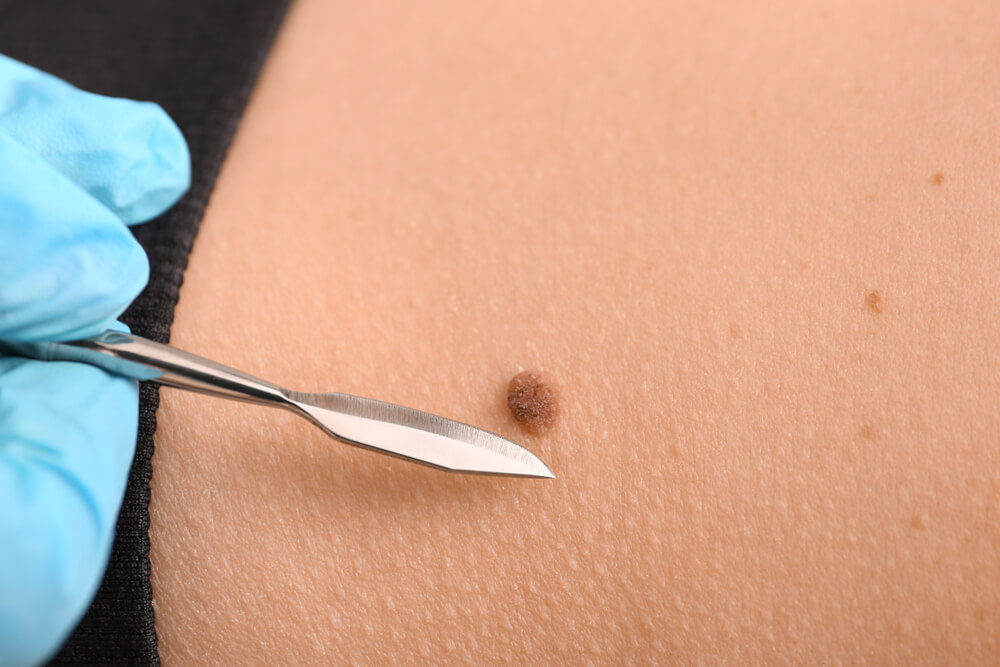
- Shaving: This is a quick and easy option that can be done in the office. The dermatologist will numb the area and then use a sharp razor to remove the mole.
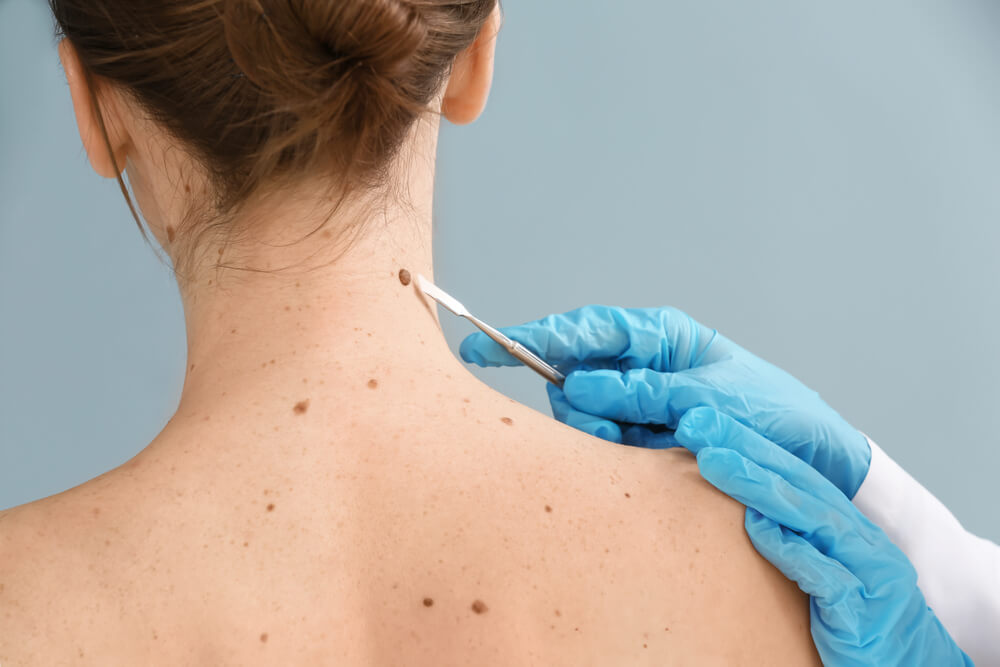
- Excision: This involves cutting out the mole with a scalpel and stitching the skin closed. This is usually done for larger moles.
When To Get a Mole Removed
- The mole is cancerous or precancerous
- The mole is cosmetically undesirable

Why Choose Team Dermatology for Mole Removal Services
Team Dermatology offers mole removal services to help you get rid of unwanted or cancerous moles.
Below are a few reasons why patients choose us for this type of service:
We are experienced:
Our team of board-certified dermatologists has extensive experience in mole removal. We have helped countless patients get rid of unwanted or dangerous moles.
We offer various mole removal options:
We offer several mole removal options, including shaving, and surgical excision. We will work with you to determine the best option for your individual needs.
We offer convenient appointments:
We know that your time is valuable. That’s why we offer convenient appointment times to fit your busy schedule.
We offer convenient locations:
We have five convenient clinics in the Houston area.
If you are looking for mole removal services, we invite you to contact us today. We will be happy to answer any questions you may have or schedule an appointment for you.



How Much Does Mole Removal Cost?
The cost of mole removal will vary depending on the type of mole, size and location of the mole, and the removal method.
The cost of your care depends on your insurance benefits, including your deductible, copay and coinsurance, and on the complexity of your visit and the treatment you need. Some treatments, such as cosmetic procedures, may not be covered by insurance. Call us at (832) 572-5533 and our team will help you check your coverage before your visit.

What To Expect After Mole Removal
After your mole is removed, you will likely have some bruising, swelling, and redness. This is normal and will resolve on its own within a few days. You may also have a small scar where the mole was removed. Our team will give you specific instructions on how to care for your wound.
Most patients are able to return to their normal activities the day after mole removal. However, you should avoid strenuous activity for at least a week.
If you have any questions or concerns, please do not hesitate to contact us. Our team is here to help you through every step of the process.
Frequently Asked Questions
How do I determine the treatment that is right for me?
The best way to determine the best treatment for you is to schedule a consultation with one of our board-certified dermatologists. During your consultation, we will assess the mole and discuss your treatment options.
Get in touch
Request an appointment
Send us a few details and our team will call you back to schedule. If you would rather speak to someone now, call (832) 572-5533.
- Memorial 9225 Katy Fwy, Suite 404, Houston, TX 77024 Monday – Friday, 8:00 am – 4:00 pm Book online
- Sugar Land – Hwy 6 1435 Hwy 6, Suite 250, Sugar Land, TX 77478 Monday – Thursday, 8:00 am – 4:00 pm Book online
- Sugar Land – Grand Parkway 17510 W Grand Pkwy S, Suite 420, Sugar Land, TX 77479 Monday & Wednesday, 8:00 am – 4:30 pmTuesday & Thursday, 7:30 am – 4:30 pmFriday, 8:00 am – 4:00 pm4th Saturday, 8:00 am – 12:00 pm Book online
- Katy 23050 Westheimer Pkwy, Katy, TX 77494 Friday, 7:30 am – 1:30 pm Book online
- Conroe 1501 River Pointe Dr, Suite 150, Conroe, TX 77304 Friday, 7:30 am – 3:30 pm Book online
If the appointment request form does not load, please call (832) 572-5533 and our team will book you in.