
Superficial Radiation Therapy (SRT) for Skin Cancer Treatment
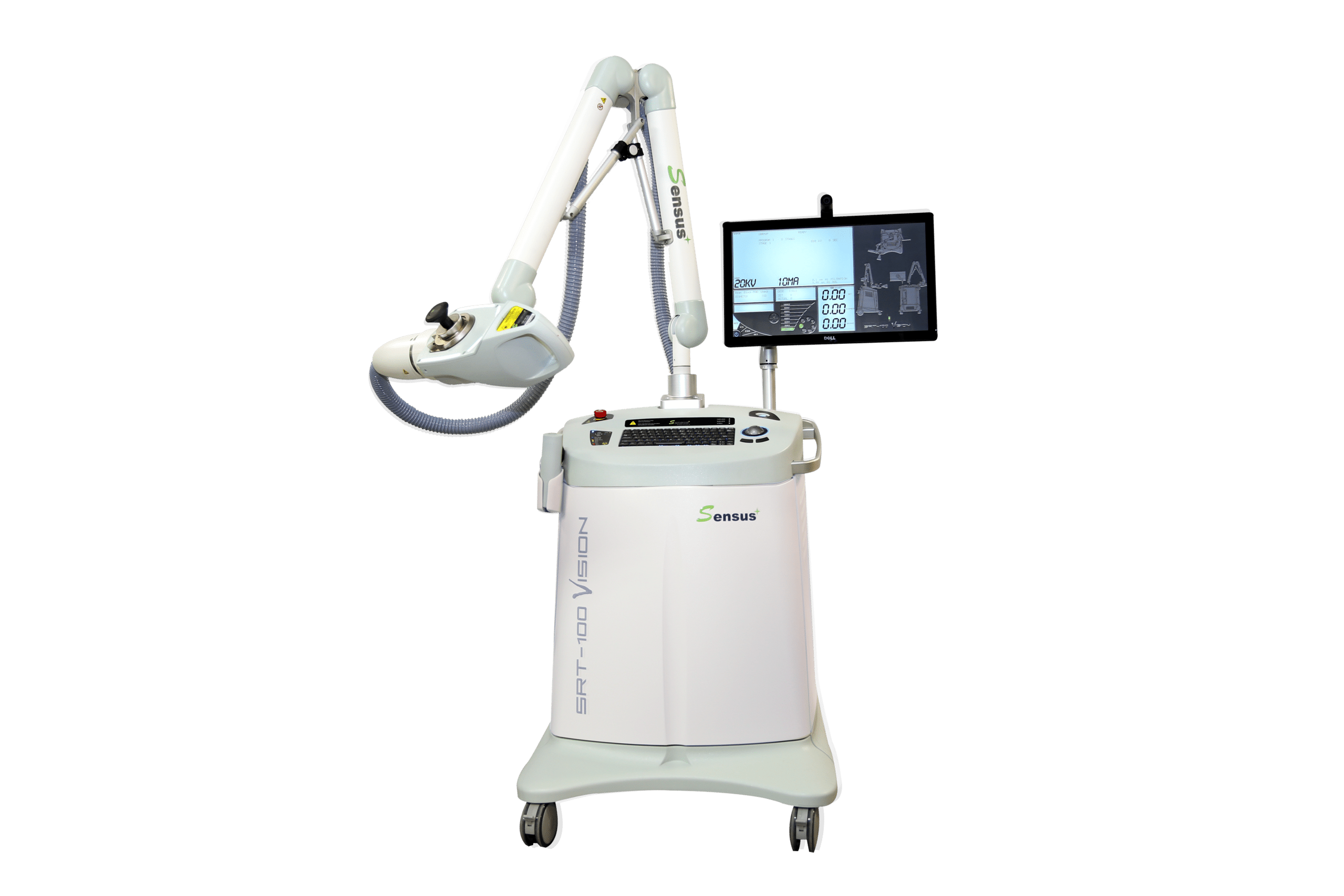
Non-Surgical Skin Cancer Treatment in Houston, Sugar Land, Katy & Conroe, TX
A skin cancer diagnosis can be stressful, especially when you’re concerned about surgery, recovery time, or potential scarring. At Team Dermatology, we offer Superficial Radiation Therapy (SRT), an advanced non-surgical treatment option for select cases of non-melanoma skin cancer.
SRT uses low-energy radiation to precisely target cancerous cells located near the skin’s surface while minimizing exposure to surrounding healthy tissue. For many patients, this treatment provides an effective alternative to surgery with little disruption to daily life.
Whether you’re seeking skin cancer treatment in Houston, Sugar Land, Katy, or Conroe, our experienced dermatology team can help determine whether Superficial Radiation Therapy is the right option for your condition.
What Is Superficial Radiation Therapy?
Superficial Radiation Therapy (SRT) is a specialized treatment that uses low-dose X-ray energy to destroy cancer cells found in the upper layers of the skin. Unlike traditional radiation treatments used for internal cancers, SRT is specifically designed for certain skin cancers that remain close to the skin’s surface.
Image-guided SRT may also utilize ultrasound technology to evaluate the size and depth of a lesion, allowing providers to customize treatment and monitor progress throughout the process.
What Types of Skin Cancer Can SRT Treat?
SRT is commonly used to treat:
- Basal Cell Carcinoma (BCC)
- Squamous Cell Carcinoma (SCC)
- Certain superficial non-melanoma skin cancers
SRT is generally not recommended for melanoma, which typically requires different treatment approaches.
Following a thorough skin cancer evaluation, our providers will determine whether SRT is an appropriate treatment option based on the type, size, and location of the cancer.
Benefits of Superficial Radiation Therapy
Many patients choose SRT because it offers several unique advantages:
No Surgery Required
Treatment is performed without incisions, stitches, or surgical reconstruction.
Excellent Cosmetic Outcomes
SRT is often considered for skin cancers located in highly visible areas such as the nose, ears, lips, scalp, cheeks, and other facial regions where minimizing scarring is a priority.
No General Anesthesia
Most patients can undergo treatment comfortably without sedation or anesthesia.
Minimal Downtime
Treatment sessions are typically brief, and most patients return to their normal activities immediately afterward.
Comfortable Treatment Experience
Most patients experience little to no discomfort during treatment.
An Alternative for Select Surgical Candidates
SRT may be an excellent option for patients who prefer to avoid surgery or who have medical conditions that make surgical procedures less desirable.
What to Expect During Treatment
Each treatment session is performed in the office and usually takes only a short amount of time.
During treatment:
- The treatment area is evaluated.
- Radiation is delivered directly to the targeted skin cancer.
- The procedure is completed without incisions or sutures.
- Patients can typically resume normal activities immediately.
Treatment plans generally involve multiple sessions over several weeks. The exact number of treatments depends on the size, depth, and location of the skin cancer.
Who May Be a Candidate for SRT?
You may be a candidate for Superficial Radiation Therapy if you:
- Have been diagnosed with basal cell carcinoma or squamous cell carcinoma
- Prefer a non-surgical treatment option
- Have concerns about cosmetic outcomes or scarring
- Have multiple skin cancer lesions
- Have health conditions that may increase surgical risks
- Are seeking a treatment option with minimal downtime
Our dermatology specialists will review your diagnosis, biopsy results, medical history, and treatment goals before recommending a personalized treatment plan.
Recovery and Possible Side Effects
Most patients tolerate SRT very well.
Temporary side effects may include:
- Mild redness
- Skin irritation
- Dryness
- Peeling
- Temporary pigment changes
These effects are typically limited to the treatment area and gradually improve after treatment is completed.
Because there are no surgical wounds, recovery is generally simple and does not require significant downtime.
SRT vs. Mohs Surgery
Mohs surgery remains one of the most effective treatments for many forms of skin cancer and is often considered the gold standard in appropriate cases. However, Superficial Radiation Therapy may be an excellent alternative for select patients depending on the diagnosis, treatment goals, medical history, and cosmetic concerns.
At Team Dermatology, we evaluate every patient individually and recommend the treatment option that provides the best balance of effectiveness, cosmetic outcome, and overall health considerations.
Why Choose Team Dermatology?
Team Dermatology provides comprehensive skin cancer screening, diagnosis, treatment, and follow-up care throughout the Greater Houston area.
Patients choose Team Dermatology because we offer:
- Experienced board-certified dermatology providers
- Personalized treatment plans
- Advanced skin cancer treatment options
- Convenient locations in Houston, Sugar Land, Katy, and Conroe
- Comprehensive medical, surgical, and cosmetic dermatology services
Our goal is to help patients achieve the best possible outcomes while providing compassionate, patient-focused care every step of the way.
Frequently Asked Questions
Is Superficial Radiation Therapy painful?
How long does treatment take?
Individual appointments are typically brief, though multiple treatments are usually required over several weeks.
Will SRT leave a scar?
Because there are no incisions or stitches, SRT generally produces minimal cosmetic changes compared to surgical procedures.
Is SRT covered by insurance?
Many insurance plans, including Medicare in certain situations, may cover Superficial Radiation Therapy. Coverage varies based on your individual policy and diagnosis.
How do I know if I’m a candidate?
The best way to determine eligibility is through a consultation with a Team Dermatology provider.
Schedule a Skin Cancer Consultation
If you’ve been diagnosed with basal cell carcinoma or squamous cell carcinoma and would like to explore non-surgical skin cancer treatment options, contact Team Dermatology today.
Our experienced providers serve patients throughout Houston, Sugar Land, Katy, Conroe, and surrounding Texas communities and can help determine whether Superficial Radiation Therapy is right for you.
Get in touch
Request an appointment
Send us a few details and our team will call you back to schedule. If you would rather speak to someone now, call (832) 572-5533.
- Memorial 9225 Katy Fwy, Suite 404, Houston, TX 77024 Monday – Friday, 8:00 am – 4:00 pm Book online
- Sugar Land 1435 Hwy 6, Suite 250, Sugar Land, TX 77478 Monday – Friday, 8:00 am – 4:00 pm Book online
- Sugar Land – Grand Parkway 17510 W Grand Pkwy S, Suite 420, Sugar Land, TX 77479 Mon & Wed 8–4:30 · Tue & Thu 7:30–4:30 · Fri 8–4 · 4th Saturday 8–noon Book online
- Katy 23050 Westheimer Pkwy, Katy, TX 77494 Book online
- Conroe 1501 River Pointe Dr, Suite 150, Conroe, TX 77304 Book online
If the appointment request form does not load, please call (832) 572-5533 and our team will book you in.