Team Dermatology & Skin Cancer Specialists (832) 572-5533

SKIN CANCER

Logo of Team Dermatology, featuring a modern design with intertwined circular elements in teal and gray. The logo represents a professional dermatology practice committed to providing comprehensive skin care services. Ideal for use in digital marketing and branding to enhance visibility and recognition in the healthcare sector.

Team Dermatology - Sugar Land, Houston TX

Book Online

If you need a skin cancer screening or any other dermatological services, contact Team Dermatology in Houston, Texas today.

We offer a full range of dermatological services to meet your needs. Our team of specialists is dedicated to providing the highest quality of care for our patients. Contact us today to schedule an appointment.

Ask A Question

Fields marked with * are required

Before & after results
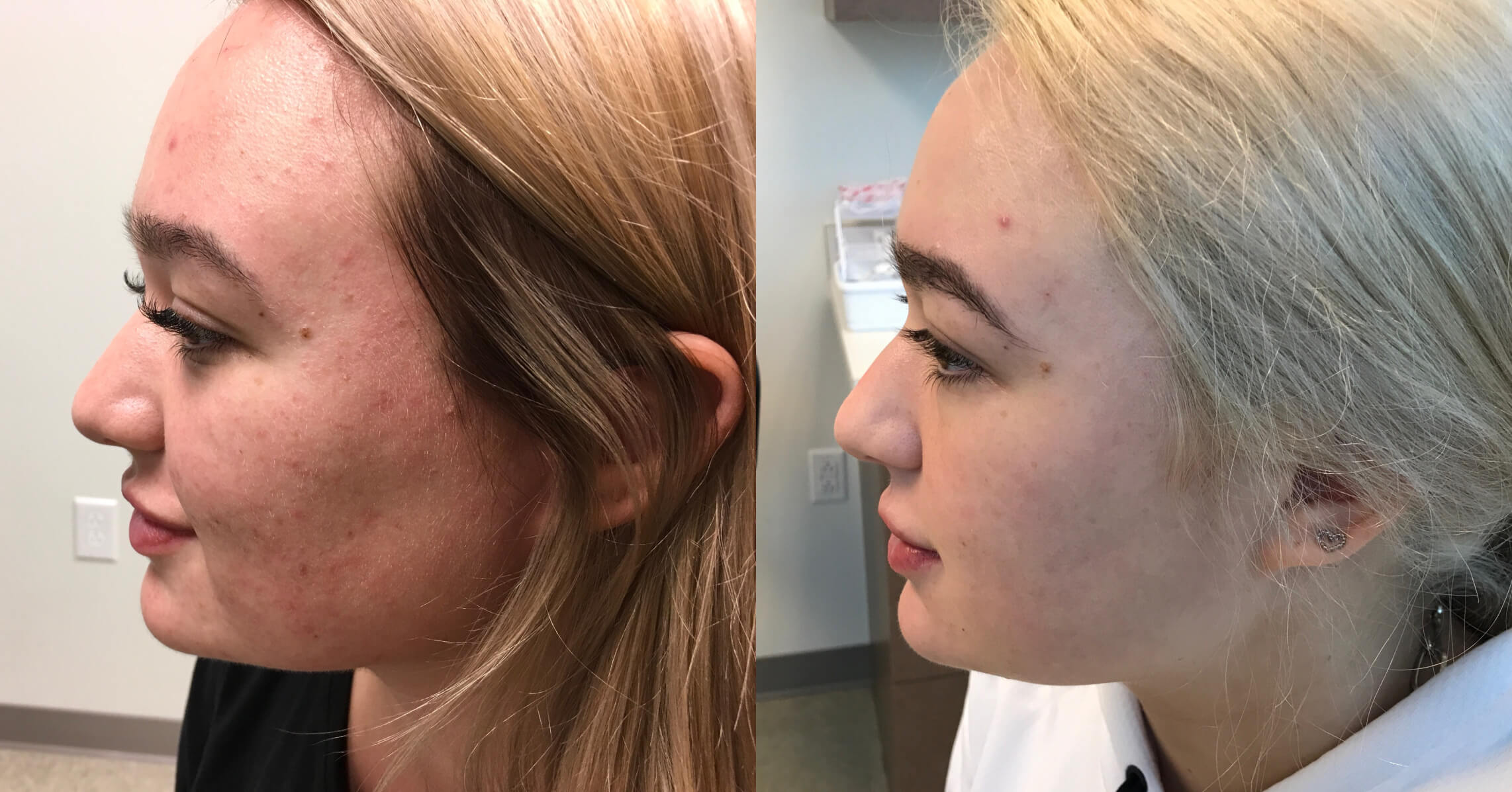
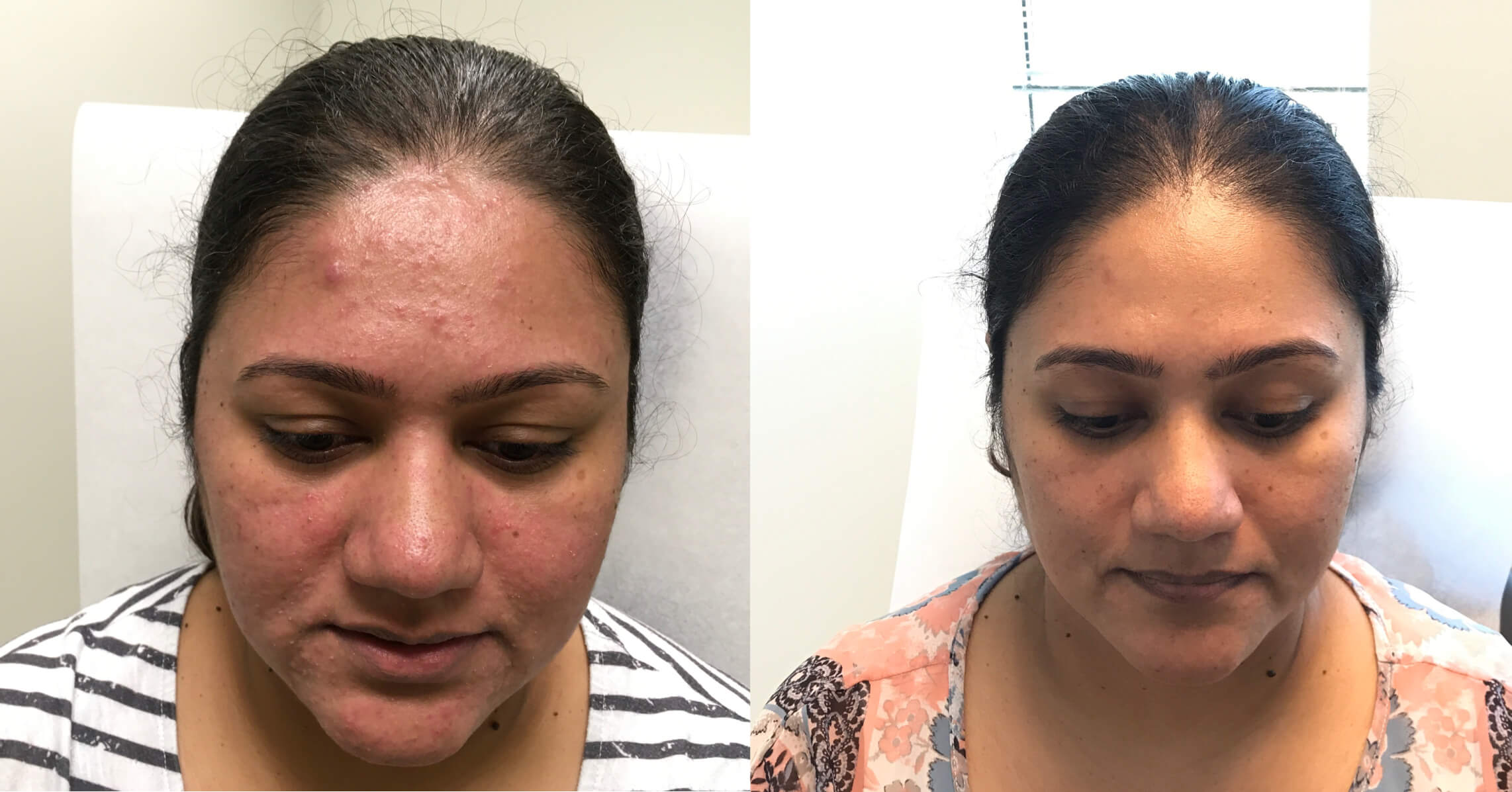
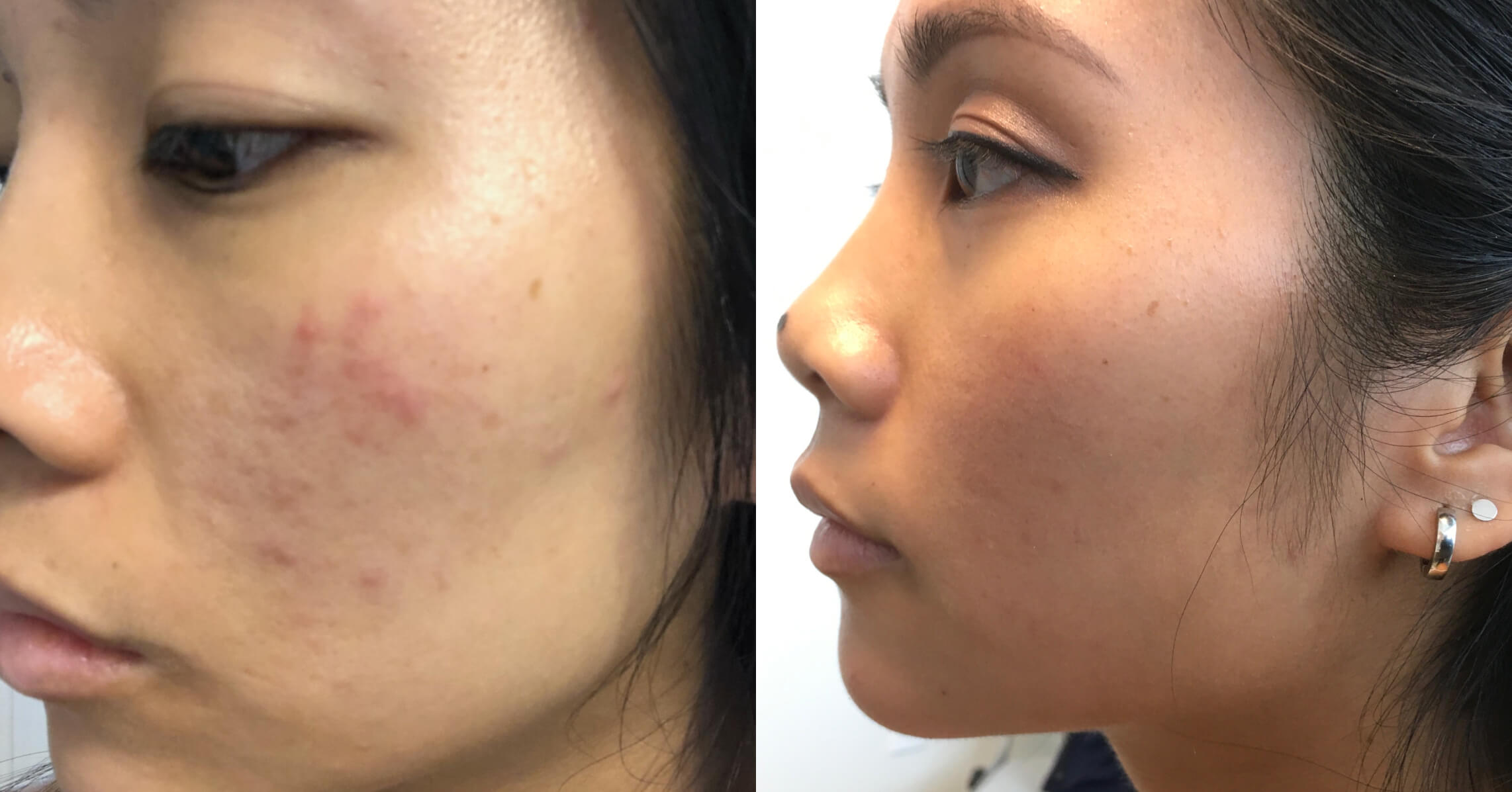
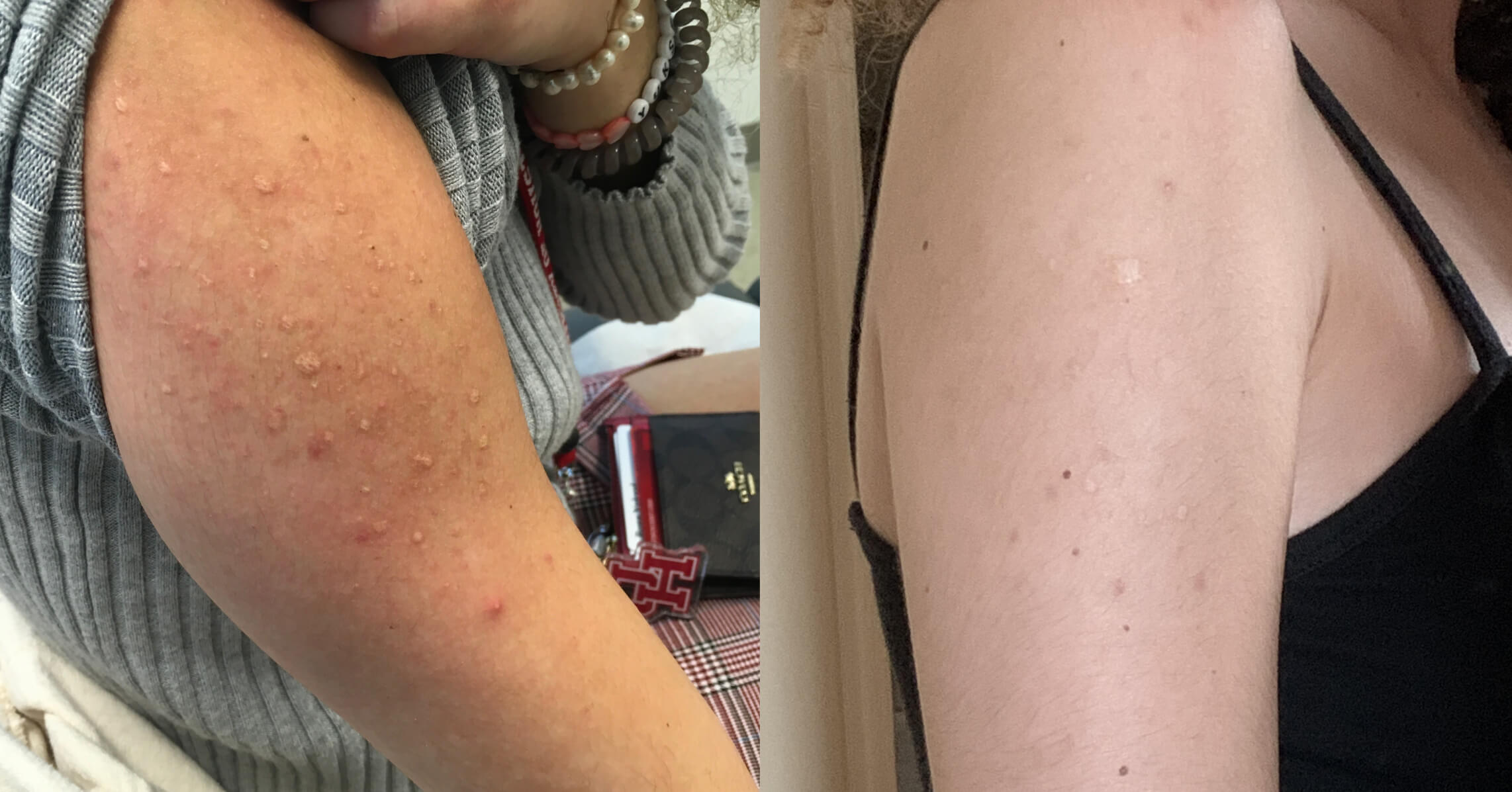
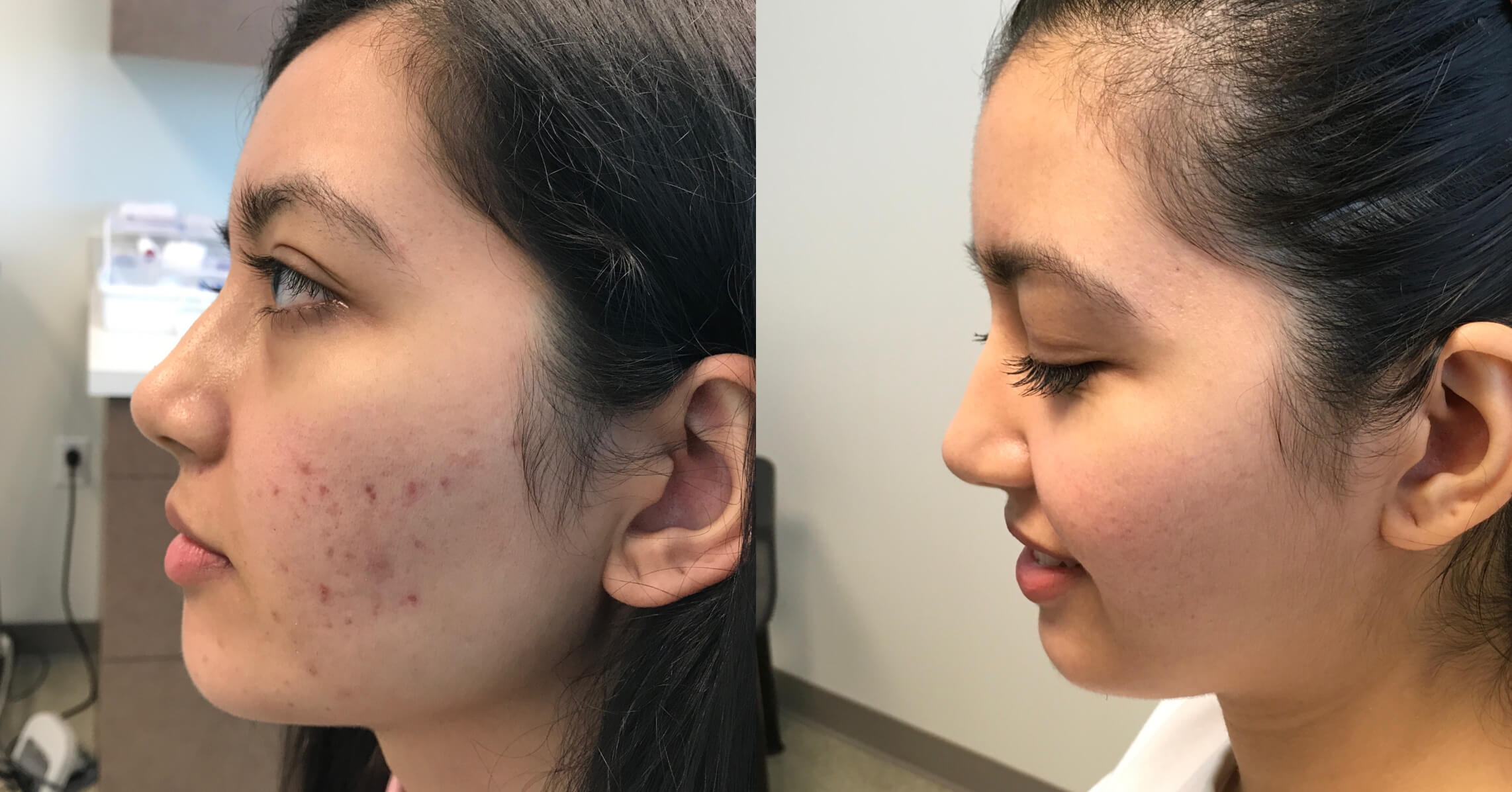
Before and after comparison of a young woman’s face showing improvement in skin texture and clarity. The left side displays skin with acne scars and blemishes, while the right side highlights a smoother complexion with reduced imperfections. Both profiles showcase her facial features, including her nose and chin, with visible changes in skin condition. The background is a clinical setting, indicating a skincare treatment or consultation. This image illustrates the effectiveness of skincare treatments in enhancing skin appearance and promoting confidence.Before and after treatment images of a woman showing significant improvement in skin texture and clarity. The left side displays her face with noticeable acne and redness, while the right side shows a smoother complexion with reduced blemishes and an even skin tone. Both images highlight the effectiveness of dermatological treatments for acne and skin rejuvenation. The woman is seated in a clinical setting, emphasizing the professional environment where such treatments take place. This visual comparison serves as a testament to the transformative impact of skincare solutions.Side-by-side comparison of a person's face showing skin condition improvement. The left image displays acne scars and redness on the cheek, while the right image highlights clearer skin and a smoother complexion. This visual demonstrates the effectiveness of skincare treatments or dermatological procedures in reducing acne scars and enhancing skin texture. Ideal for educational content related to skincare, dermatology, or beauty treatments, emphasizing the transformation possible through proper care.Image comparison showing two arms with different skin conditions. The left arm displays red, raised bumps and textured skin, indicating possible keratosis pilaris or another dermatological issue. The right arm has smoother skin with fewer visible imperfections, showcasing a contrast in skin texture and appearance. Both arms are partially covered and are positioned side by side to highlight the differences in skin conditions. This image serves as a visual reference for skin health discussions or educational purposes related to dermatology.Before and after comparison of a young woman's face, showcasing the improvement in skin clarity and reduction of acne. The left side of the image displays visible acne scars and blemishes, while the right side presents smoother skin with a clearer complexion. The woman appears to be in a clinical setting, indicating a dermatological treatment or skincare consultation. This image highlights the effectiveness of acne treatment and the positive impact on self-esteem and skin health.

Prevention

prevention skinbasal cell carcinoma

Basal Cell Carcinoma

Squamous Cell Carcinoma

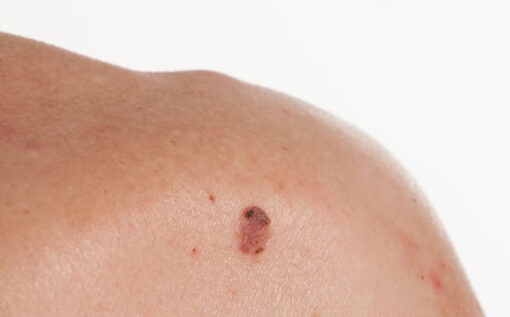
Squamous cell carcinoma (SCC) of the skin is the second most common form of skin cancer, characterized by abnormal, accelerated growth of squamous cells. When caught early, most SCCs are curable. One of three main types of cells in the top layer of the skin (the epidermis), squamous cells are flat cells located near the surface of the skin that shed continuously as new ones form.

SCC occurs when DNA damage from exposure to ultraviolet radiation or other damaging agents trigger abnormal changes in the squamous cells.
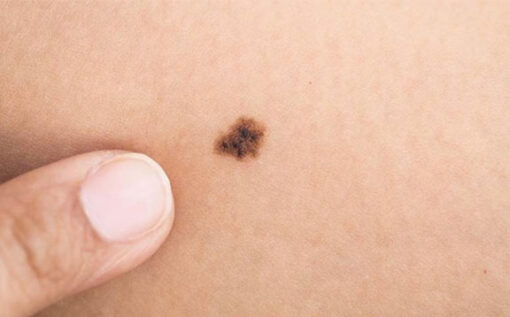
squamous cell carcinomamelanoma

Melanoma

Melanoma is a serious form of skin cancer that begins in cells known as melanocytes. While it is less common than basal cell carcinoma (BCC) and squamous cell carcinoma (SCC), melanoma is more dangerous because of its ability to spread to other organs more rapidly if it is not treated at an early stage.

Melanocytes are skin cells found in the upper layer of skin. They produce a pigment known as melanin, which gives skin its color. There are two types of melanin: eumelanin and pheomelanin. When skin is exposed to ultraviolet (UV) radiation from the sun or tanning beds, it causes skin damage that triggers the melanocytes to produce more melanin, but only the eumelanin pigment attempts to protect the skin by causing the skin to darken or tan. Melanoma occurs when DNA damage from burning or tanning due to UV radiation triggers changes (mutations) in the melanocytes, resulting in uncontrolled cellular growth.

Excisions

Surgical excisions are completed in the comfort of our relaxed office setting. Using a local anesthetic and a scalpel, the doctor completely removes the affected area before repairing it with sutures. Slightly more invasive than other skin lesion removal methods, its success rate is also incredibly high.


excisionsTeam Dermatology Logo

Sign Up For Newsletter

Locations

Team Dermatology · (832) 572-5533